
Cupping Therapy in Bozeman, MT: Benefits, Safety, and What to Expect
Howdy Bozeman—whether you’re hitting the trails, skiing Bridger, or just dealing with desk-related tightness, musculoskeletal pain can slow you down. At Pro Chiropractic, our focus is always active care: getting you moving better with adjustments, targeted rehab exercises, and evidence-informed strategies. Cupping therapy fits as a helpful compliment for patients, especially when soft tissue restrictions limit progress.
What Is Cupping Therapy?
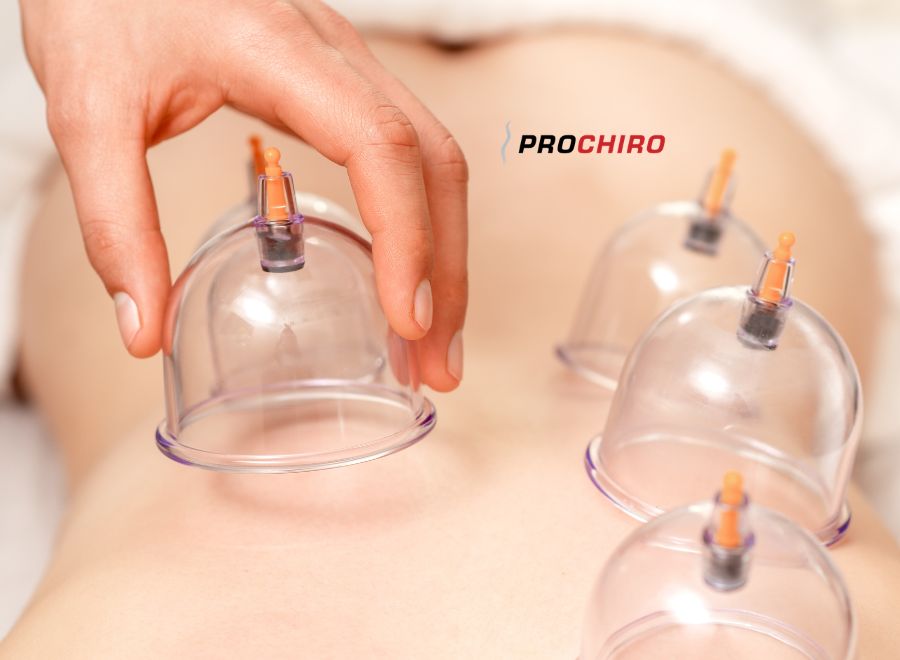
Cupping involves placing plastic cups on the skin to create negative pressure (suction). We use dry cupping (no incisions or bleeding) in our office.
This isn’t about ancient “toxin removal” myths, it’s a biomechanical tool that decompresses tissues, increases local blood flow, and can decrease pain signaling. In our active care clinic, we use it selectively for patients with guarded movement, myofascial tightness, or delayed response to adjustments and exercise.
Cupping is also used in Eastern Medicine for a number of purported healing purposes – this is where most “wet cupping” occurs.
How Does It Help?
Recent studies point to neurophysiological and tissue effects:
Suction stretches skin/fascia, releasing adhesions and improving mobility.
It boosts local circulation via nitric oxide release and relieves pain by clearing noxious chemicals.
Evidence suggests reductions in muscle stiffness and inflammatory markers locally.
These align with helping patients tolerate better rehab—think easier entry into corrective exercises for low back or neck issues common in our active Montana crowd.
What Does Cupping Feel Like?
Cupping provides a gentle pull through tight and inflamed tissues and feels different for every patient and on each muscle group. Often, my patients tell me that it is a very pleasant feeling, both when the cups are on and after they get popped off. Following treatment, it is common to have a “heavy” or “full” feeling in the area that therapy was applied – this is thanks to the surge of blood flow.
What About Those Cupping Marks?
You have probably seen people around town, at the gym, or at the grocery store with circular marks, these darkened circular marks are a positive byproduct of cupping. Generally, the mark is completely non-painful and occurs due to a capillary response under the pressure of the cup.
How We Use It at Pro Chiropractic
We don’t default to cupping, it’s for specific scenarios:
- High pain/guarding blocking adjustments or exercise tolerance.
- Myofascial restrictions in chronic low back, neck, or shoulder cases.
- Supporting recovery in our outdoor athletes (overuse strains from hiking/skiing).
A typical session: 10–15 minutes, cups either placed and left static or moved dynamically. You might feel a pulling sensation (not painful) and may see circular marks afterward. We often combine cupping with your adjustment or before rehab to enhance mobility.
Frequently Asked Questions About Cupping Therapy
What is cupping therapy used for?
Cupping therapy is used to reduce muscular tension, improve soft tissue mobility, and support recovery from musculoskeletal conditions involving muscle restriction and movement limitation. It is commonly used in patients experiencing muscle tightness, activity related strain, or restricted movement.
Is cupping therapy safe?
Yes. When performed by licensed chiropractic physicians trained in musculoskeletal care, dry cupping therapy is considered safe and low risk. At Pro Chiropractic, cupping is applied based on clinical findings and patient tolerance.
Does cupping therapy hurt?
Most patients describe cupping therapy as a firm pulling or lifting sensation. It is typically well tolerated and often relieving, especially in areas of chronic tension.
Why do marks appear after cupping therapy?
he circular marks that appear after cupping therapy are a normal response to tissue decompression and localized changes in circulation. These marks are temporary and typically resolve within several days.
Who performs my cupping therapy at Pro Chiropractic?
Cupping therapy at Pro Chiropractic is performed by licensed chiropractic physicians or trained chiropractic assistants.
Who may benefit from cupping therapy?
Cupping therapy may benefit individuals experiencing muscular tightness, movement restriction, sports related strain, or persistent soft tissue discomfort. It is used as part of a comprehensive treatment approach based on individual clinical evaluation.
Specific Issues That Cupping Therapy Helps
- Upper Cross Syndrome – an altered biomechanical pattern that often stems from chronic poor posture and repetitive slouching. It’s that stubborn painful ache and tightness in your upper back and shoulders.
- Myofasciitis – a blanket diagnosis that covers stubborn knots in muscle tissue, unrelenting muscle tightness, and muscular splinting and spasm. This can affect many body regions and responds beautifully to cupping therapy.
- Repetitive Stress – Repeated movements throughout daily routines can create deficits in your ability to move symmetrically side to side, cupping can help you tissue to glide, move and feel better!
Wrapping It Up
Cupping is a low-risk, non-pharmacological tool with both research based and anecdotal evidence supporting short-term pain and disability improvements in musculoskeletal conditions like low back and neck pain. It fits our evidence-informed, patient-centered philosophy when it helps remove barriers to active progress.
If you’re dealing with persistent tightness or pain that’s slowing your movement goals, let’s discuss at your next visit, maybe cupping could complement your treatment plan. We’re here to keep Bozeman moving!
Book your next visit with Pro Chiropractic here: https://prochiromt.com/schedule-an-appointment/
About the Author
Pro Chiropractic is located in Bozeman, Montana. Our clinical focus includes evaluation and treatment of musculoskeletal conditions affecting the spine, joints, and soft tissues. They utilize chiropractic adjustments, rehabilitation strategies, and soft tissue therapies, including cupping, myofascial release, and shockwave therapy, as part of an individualized approach to help patients restore movement and improve function.
Our Bozeman based chiropractors work with a wide range of patients, including athletes, active individuals, and those recovering from injury, with an emphasis on identifying and addressing the underlying mechanical contributors to pain and movement restriction.